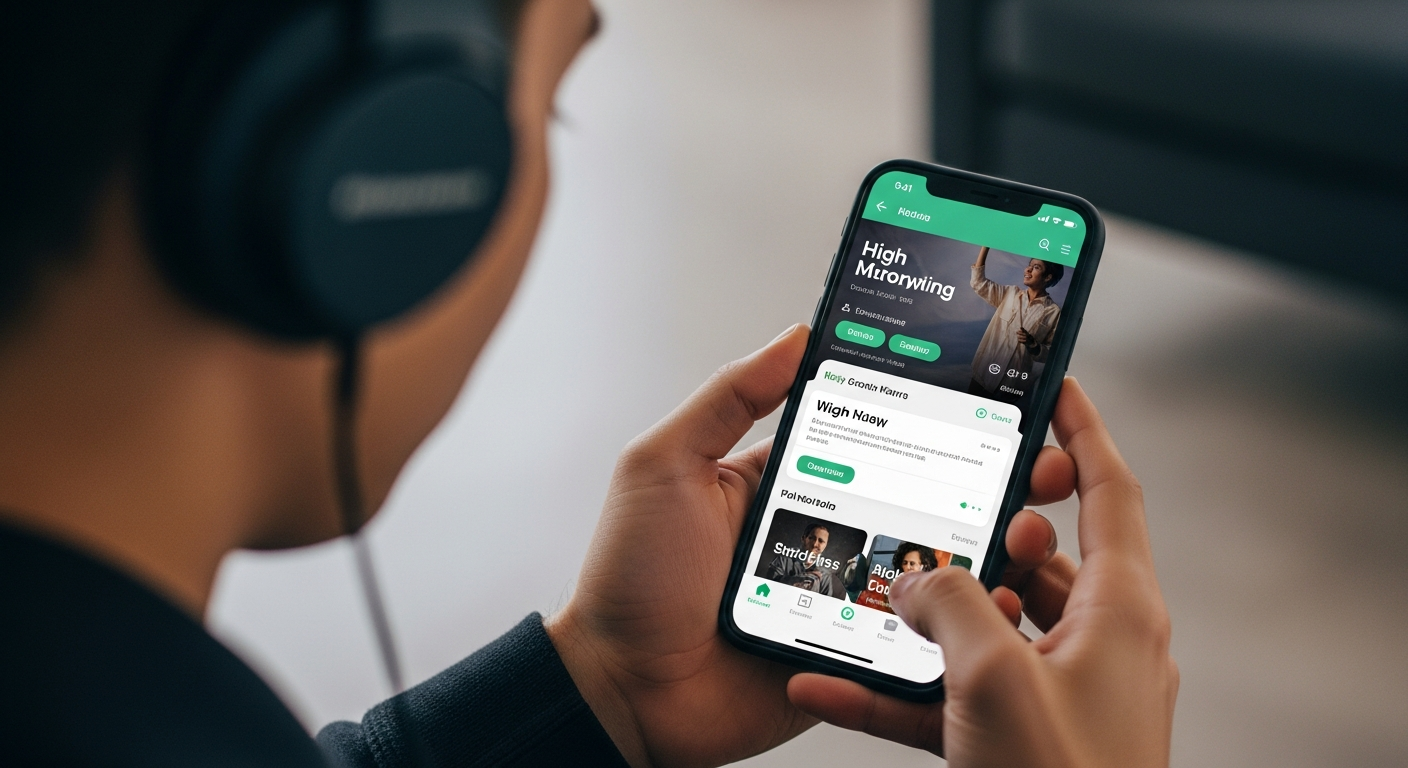
The transformation that has been experienced in the music industry in the last several decades is dramatic. Since the time when the physical album and CD came into being to the modern world of viral songs and stream of information, the music manufacturing, distribution and consumption has entirely transformed. Musical figures are not so concerned with full-length albums but with the release of singles that can be popularized on such platforms in a short time on platforms like Spotify and Tik Tok. This change does not only demonstrate technological progress, but also the changes in the audience behavior and attention span.
The Generation of Albums: An All-encompassing Musical Experience.
Traders had decades of albums as the music industry mainstay. Artists such as Michael Jackson and The Beatles have developed their legacies on the basis of unified albums, which narrated a story as a whole. Albums were well edited, with every song having a general concept or emotional narrative.
During this period, physical sales prevailed. The main sources of revenue were the vinyl records, cassettes and CDs. There was a rush among fans to receive albums and they frequently queued outside stores. Selling albums and being on the charts were the measuring sticks of success of an artist.
Albums also enabled artists to exhibit their versatility. Albums as compared to modern day single-oriented releases allowed musicians the liberty to explore various sounds and ideas in a single project.
The Digital Shift: Downloads and Streaming Take Over.
A significant change came at the beginning of the 2000s when digital downloads came into play. Such sites as iTunes transformed the way people bought music. Rather than purchasing entire albums, listeners were now in a position to select and purchase individual songs.
This was soon followed by the revolution of streaming platforms into the industry. Applications like Spotify and Apple music enabled users to tune to millions of songs online. This convenience caused the change of emphasis to ownership to accessibility.
Algorithms based discovery was also brought out through streaming. The songs were now able to go viral on the basis of the choice of listeners, playlists, and suggestions. This provided an opportunity to independent artists to get access to a global audience even without the presence of traditional record labels.
Viral Culture: The Strength of Singles.
Why Singles Dominate Today
In the era of digital music, singles are now considered to be the most popular music releases. Websites such as TikTok are the key to defining what is popular. It is possible to transform an unknown piece into a global hit overnight with the help of a 15-second clip.
Viral trends have helped artists like Doja Cat and Lil Nas X to achieve enormous success. Their songs became popular due to challenges, memes, as well as user-generated songs.
This has brought a transformation on the way music is produced. The songs have also become shorter and catchier and tend to attract attention within a short time. Hooks and choruses are given preference to make sure there is an instant connection.
Changing Artist Strategies
Long-Term Albums to Frequent Releases.
To remain relevant, artists are currently releasing music at a higher rate. They do not spend years on an album, but release singles on a regular basis to keep themselves in the limelight. This strategy keeps them in the limelight and will be in line with the fast-changing digital trends.
Even the most successful artists such as Taylor Swift have adjusted to this by introducing surprise singles and reread songs as a way of keeping fans glued to them all the time.
Data-Driven Creativity
Streaming services can offer the tracker with in-depth information regarding the listeners. Artists are able to visualize what songs are performing well, and where their audience is based and also the emerging trends. Such a data-driven process has an impact on future releases and marketing.
The Social Media and the Evolution of Music.
Social media has emerged as a strong instrument of promotion. Such platforms as Instagram and Youtube help the artists to get in touch with their fans, advertise new releases, and establish personal brands.
Virality is usually reliant on participation by the audience. Tributes, remixes and challenges of dancing make a song popular. Such interactive culture has made the distinction between the producers and consumers faint.
Effects to Audience and Revenue in the industry.
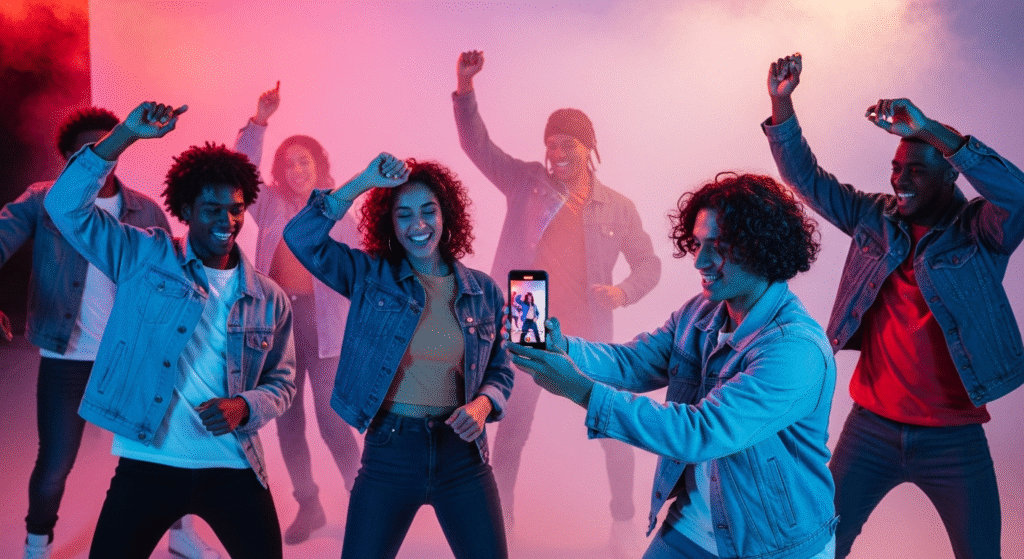
The behavior of the listeners has also shifted with the change of the albums to singles. The audiences are no longer willing to listen to long content but rather engage in fast and entertaining content. Albums have been ousted by playlists as the most popular form of consuming music.
Streaming has now become the main source of income as far as revenue is concerned. As the physical sales are decreasing, streaming is bringing steady income in terms of subscriptions and advertisements. But it has also created controversies regarding the healthy remuneration of artists.
Music Consumption in the Future.
Technology still keeps rolling in the music industry. The next phase is being defined by artificial intelligence, virtual concerts, and experiences. Albums are also becoming more strategic and thematic, even though singles are still dominating but albums are not fully going away.
Artists can keep finding a middle ground between the two creating singles to be seen and albums as a way of artistic expression. The trick will be in adjusting to the shifting taste of the audience and being creative.
Conclusion
The transformation of the music industry from albums to viral singles is an important indication of a massive change which was caused by technology and shifting listening patterns. Albums used to determine the position of an artist, but nowadays, the environment is determined by the speed, ease, and online interaction via such services as Spotify and Tik Tok.
Viral single has transformed the way artists interact with their listeners instead of substituting the albums. There is a future in balance, that is, singles or really albums would be used to remain relevant and give deeper artistic value. The bottom line is, regardless of the format, music will remain dynamic and will never waiver on its original mission, which is to bring people together by the use of sound and emotion.
FAQs
1. Why are singles enjoying more popularity than albums now?
Singles are simplified to consume, share, and promote on the online platforms and more so, on social media.
2. What has streaming done to the music business?
Streaming has turned away the ownership aspect and moved to access whereby music can be consumed at any given time and anywhere around the world.
3. Are albums relevant in contemporary music?
Admittedly, albums are still artistic but are less powerful in the market.
4. What are the ways that songs become viral on such platforms as Tik Tok?
The trends, challenges, and user-created content rapidly shared by users spread via trends.
5. Does the trend towards singles favor artists?
It provides greater exposure and is more frequently engaged, though can decrease profound artistic storytelling.