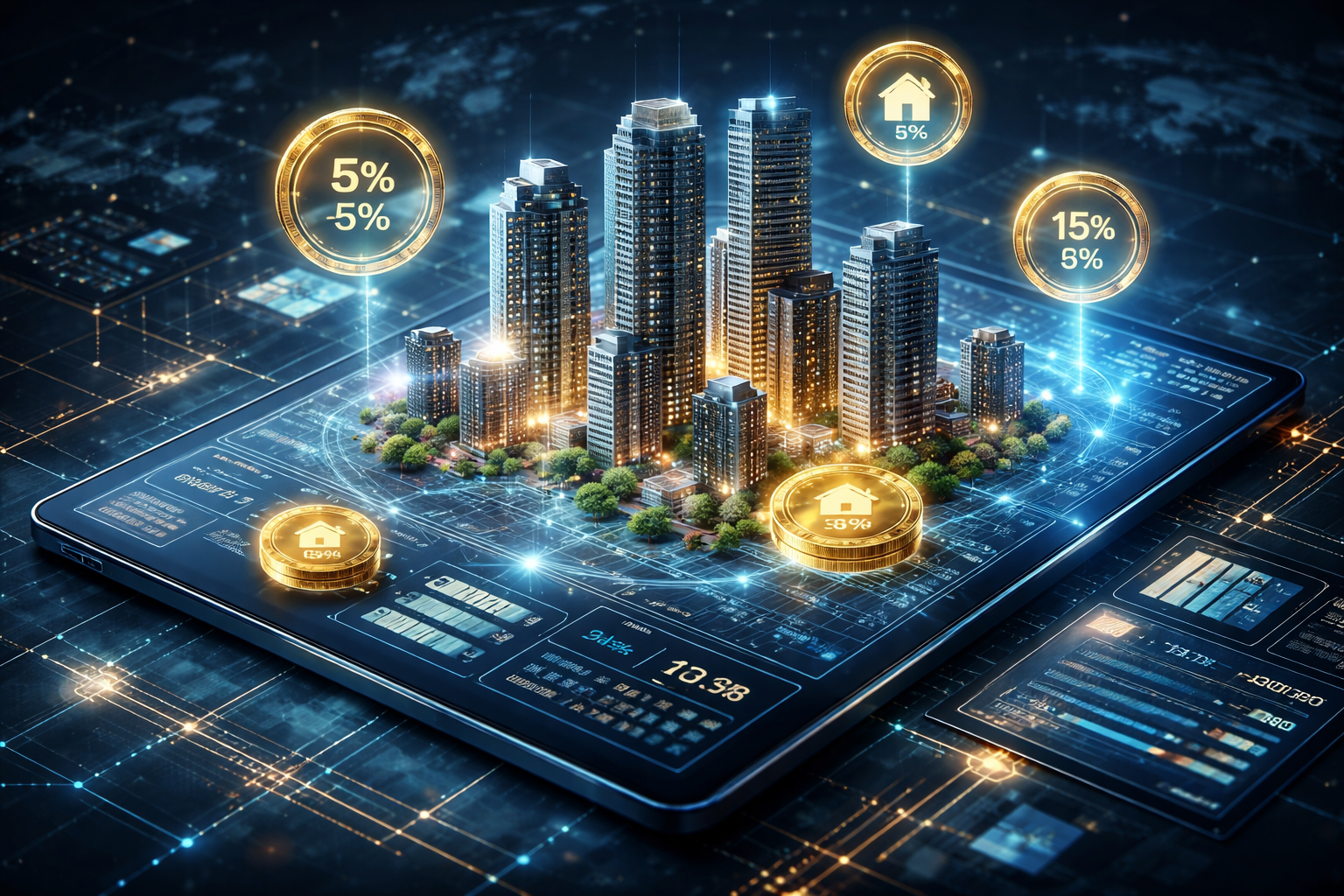
The concept of ownership is quickly changing in the digital world. In the past, one needed a lot of capital, paperwork, and middlemen in order to invest in real estates and stocks. The tokenization is reshaping the way individuals access and utilize assets with blockchain innovations driven by platforms such as Ethereum and the groundwork laid by Bitcoin. The changes are transforming investments into being more open, adaptable, and accessible worldwide.
Huh? What are Tokenized Assets?
Digital assets One of the digital representations of ownership that is stored on a blockchain is tokenized assets. These tokens reflect the real world assets like real estate, stocks or commodities that the investors can be able to trade easily. The tokenization of the financial markets makes the financial markets more accessible because it allows the entry barriers to be lowered and allows people with a broader audience to invest.
The way the Blockchain makes it possible to tokenize.
Transparency and Security
Blockchain documents all the transactions in a decentralized and unalterable registry. This guarantees that the ownership information is not tampered with and offers a high degree of trust as well as minimizes the fraud risks. The investors have the ability of verifying transactions on their own, which enhances confidence in the system.
Smart Contracts Automation
Smart contracts are used to automate operations like ownership transfers and payments. Such self-executing contracts make the system more efficient by eliminating the need to depend on intermediaries, accelerating transactions, and minimizing the expenses.
Decentralization
Decentralization makes sure that no particular authority has control on the data. The ownership records are spread to various nodes enhancing reliability and affording users more control of their assets.
Real Estate tokenization.
The concept of tokenization is turning the real estate industry upside down, as investors can now acquire a piece of a property, rather than the whole property. This will greatly reduce the investment threshold and will make property investment affordable to a wider audience. Also, in tokenized real estate, liquidity is enhanced, and it is easier to buy and sell than in the traditional ways. It also enables investors to look at international markets without going through complicated legal issues and thus diversification can be easy and effective.
The most important benefits of Tokenized Real Estate.
- Fractional ownership can be used to invest in any size.
- Quickly conduct property transactions via blockchain systems.
- The global real estate markets without restrictions.
- Less dependence on the agents and intermediaries.
- Publicly available and unalterable ownership records.
Tokenization in Stocks
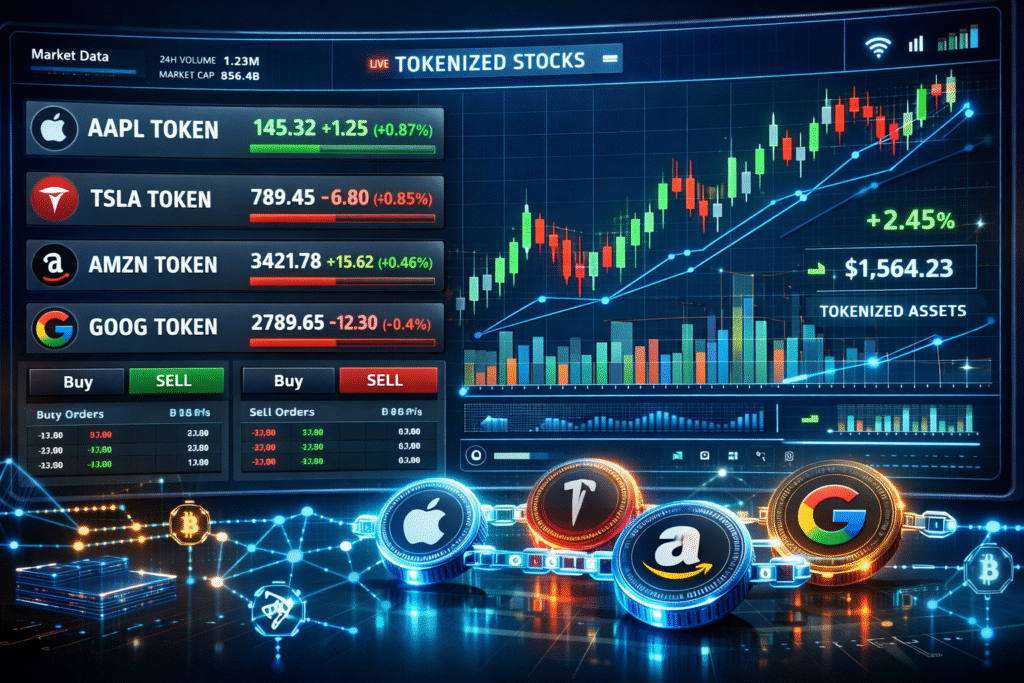
Stock markets are also being transformed through tokenization, thus allowing ownership of fractions of a share. Investors have now an opportunity to invest small quantities of costly stocks rendering high-value investments more accessible. The 24/7 trading enables by blockchain-based platforms is not available in traditional exchanges which are restricted by time. In addition, doing away with the middle men will also save a lot on the transaction costs as well as efficiency and stock trading will be quick and easy.
The most important advantages of Tokenized Stocks.
- A low cost of buying high quality stocks.
- Round-the-clock trading opportunities
- Reduced costs of transactions and settlement.
- Quicker turnaround and payback periods.
- Open history of transactions on blockchain.
New Use Cases of Tokenization.
The concept of tokenization is going beyond real estate and stocks to other areas. The tokenization of luxury assets (art and collectibles) is being done, which can be owned by multiple investors. It is also possible to tokenize intellectual property such as music and digital content to create automated royalties. Also, other commodities like gold and oil are being digitized, and they are easy to trade across the world and enhance efficiency in the market.
Use of DeFi in Tokenized Assets.
Decentralized finance (DeFi) is a key component in increasing the usefulness of tokenized assets. These assets can be used to get loans by investors without having to visit conventional banks. Staking and lending are also available on DeFi platforms to generate passive income. Moreover, tokenized assets can communicate between various blockchain ecosystems, which enhances their usefulness and financial versatility.
Influence on Conventional Financial System.
The traditional financial systems are being shaken by tokenization that leads to less reliance on intermediaries like banks and brokers. Minutes can be used to conduct transactions which previously had taken days, thus enhancing efficiency. It also enhances financial inclusion through enabling people in various regions of the world to be able to be involved in world investments without major setbacks.
Challenges and Risks
Even though there are positive aspects of tokenization, there are a number of challenges. The regulatory uncertainty is one of the most significant problems because the governments are yet to establish legal frameworks. There is a security risk with digital wallets and exchanges, although blockchain is secure. The volatility of the market may also affect tokenized assets and, in particular, those that are tied to cryptocurrencies. Also, blockchain technology is a complex technology that can delay its adoption by new users.
Outlook of Tokenized Assets.
The future of tokenized assets is bright since its use in industries is on the rise. Banks are also considering the use of blockchain, and this will enhance credibility and trust. Better user interfaces and platforms will provide a better entry point to investors. With more transparent regulatory regimes in place, tokenization is likely to take on a mass investment format, significantly altering the ownership frameworks around the world.
Conclusion
The idea of ownership is changing with tokenized assets, which are more accessible, transparent and efficient. Investors can now enter into markets that previously were reachable only to a few through blockchain technology. Although regulatory and security issues remain to be addressed, the future of tokenization is tremendous in the long run. With the changes in technology and the rise in its use, tokenized assets will take the center stage in determining the future of property and stock investments.
FAQs
1. What is asset tokenization?
Asset tokenization is the transformation of the ownership of physical assets into digital assets on a blockchain.
2. How tokenized real estate works?
Investor-owned properties are split into digital tokens, which enables its easy ownership and trading among various investors.
3. Tokenized stocks: Are they safe?
They tend to be safe because of blockchain technology, yet such risks as hacking and regulations remain.
4. What are the key advantages of tokenization?
The advantages are that there is fractional ownership, higher liquidity, transparency and reduced costs.
5. Are novices allowed to invest in tokenized assets?
Yes, newcomers can make small investments with the help of blockchain platforms and get acquainted with the system step-by-step.